Blog · · 6 min read · by Kavisha Wanigasekara
'We'll call you when it's in' is retail's costliest line
The promise to call a customer when their order comes in often has no owner, deadline, or record behind it, which is why it fails quietly instead of loudly.
- Special orders
- Retail operations
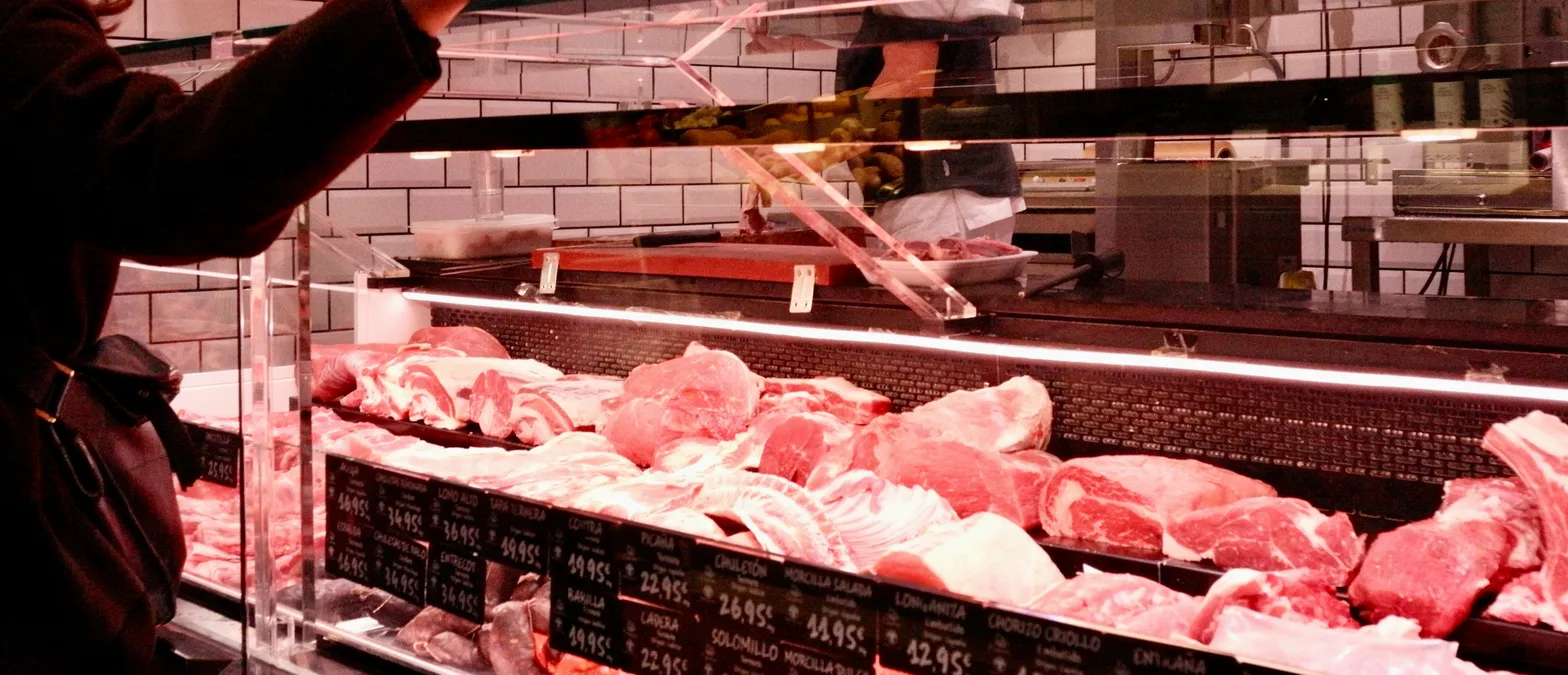
A customer orders a twenty-pound prime rib roast for a holiday dinner, pays a deposit, and hears the butcher say, "We'll call you when it's in." Nothing backs that sentence up. No name is attached to who makes the call, no deadline sets when, and no record shows whether it ever happened.
That gap sits at stage 05 of the six stages a special order travels, the stage where a shop tells the customer their order is ready. An order can clear every earlier stage cleanly, counter to vendor to arrival, and still go quiet right here, because one remembered phone call is the only thing standing between the shop and the customer.
Key Takeaways
- "We'll call you when it's in" has no owner, no deadline, and no record attached to it, so nothing in the shop checks whether the call actually happened.
- An order that arrives and sits uncalled never shows up as late in a POS or a vendor invoice. The shop usually finds out only when the customer calls first, or stops trying altogether.
- Naming the callback as its own tracked step, with an owner, a deadline, and proof it happened, replaces the hope that someone will remember.
- Stage 05 of a special order, telling the customer, is the stage most systems leave to memory, which is why it fails quietly instead of loudly.
- Writing the callback into the order's own record, beyond the policy, is what makes it checkable instead of assumed.
Why "we'll call you when it's in" has no owner
Every earlier stage in a special order gets checked by something other than memory. The vendor invoice gets paid, which means someone reconciles it. The stock count ticks up when a carton is received, which means someone scans or counts it. The callback has no equivalent trigger: it's a promise made at the counter, days or weeks before anyone needs to act on it, with nothing scheduled to ask whether it happened.
That's what makes it different from the other failure points on a special order. A late vendor shipment shows up as a date that's passed. A wrong size shows up when the carton is opened. A forgotten callback shows up as nothing at all, until a customer who paid a deposit weeks ago wonders out loud why they haven't heard anything.
What happens between the roast arriving and the call that never comes
Picture the roast arriving on a supplier truck with a dozen others, all destined for the holiday rush. Someone unloads the case, checks it against the invoice, and shelves the roasts in the walk-in. The invoice gets paid that week, so that step is accounted for. The receiving process confirms stock, and nothing in it asks whose roast this one is for.
The roast sits in the walk-in with the others. The holiday gets closer. Nobody on staff has a reason to open the order list unless they're already looking for something else, and the person who took the order at the counter may not even be working that week. The customer, meanwhile, reads the silence as the roast still being on its way, with no idea it's been sitting four feet from the counter the whole time.
The same gap shows up outside a butcher shop. A bike shop special-orders a frame for a customer planning a specific ride date. The frame arrives, gets checked in against the purchase order, and goes into a back room rack with a dozen others waiting on other things. Nobody calls, because calling was never anyone's assigned job, only an assumption that whoever opened the box would also think to pick up the phone.
Why it never looks like a problem in any system
A point-of-sale system can show correct stock on hand, a vendor invoice marked paid, and a received flag ticked on the purchase order. None of that answers the one question that matters: has the customer been told?
That's the real danger in the sentence "we'll call you when it's in." It sounds like a commitment, and it was meant as one. But it depends entirely on a person remembering to act on it days or weeks after they said it, with nothing in the shop designed to notice if they didn't. A shop that leans on memory here is often the same shop fielding a steady run of "is it in yet" calls, because the customer has no better way to find out.
What the silence costs
Customers don't read silence as patience. Forrester's Data Snapshot based on its March 2025 Consumer Pulse Survey found that about 80% of US shoppers say it matters that retailers confirm a specific delivery or pickup date. Roughly 75% also said they value receiving status-update notifications along the way (Forrester, "US Shoppers Want More Info About Their Order Status", March 2025 survey).
Survey research from the UK shows a similar pattern from a different angle. Forrester's Data Snapshot covering its February 2025 survey found that 82% of UK shoppers see delivery and status notifications from brands as helpful. 65% also said they wished they'd had more information about an order before it arrived (Forrester, "UK Shoppers Want More Delivery Notifications From Brands", February 2025 survey). Neither snapshot is about special orders specifically, but both describe the same baseline: customers increasingly expect to be told, not to have to ask.
Naming the callback as its own tracked step
The practical fix sounds obvious once it's said out loud: give the callback an owner, a deadline, and a record, the same as every other stage a special order already passes through.
Owner means naming whose job it is to work the arrivals list and make the calls, rather than leaving it to whoever happens to notice stock on the shelf. Deadline means picking a real number, same day, next business day, whatever the shop can actually hold to, and writing it down rather than trusting that someone will get to it eventually. Record means a note against the order: who called, when, and what was said, so the next person who opens that order doesn't have to ask a coworker from memory.
| What it replaces | What it means | What memory alone gave you |
|---|---|---|
| Owner | One named person works the arrivals list and makes the calls | Whoever happens to notice stock on the shelf |
| Deadline | A real number (same day, next business day) written down | Someone will get to it eventually |
| Record | A note on the order: who called, when, what was said | A coworker's memory, if they're still working there |
Once the callback has a deadline, the order either gets called inside that window or it shows up as overdue, the same way a late vendor shipment does. That overdue flag is what turns "someone will get to it" into something a manager can actually check at a glance, instead of trusting it happened.
Knowing when to make that call is one thing; knowing what to actually say once the order has gone quiet too long is another. The phone call you make when a special order is late covers that conversation in detail.
None of this works as a one-time decision, either. A written special order policy can name who owns the callback and how long a finished order waits for pickup, so the rule survives a staff turnover instead of living in one person's head.
Frequently asked questions
Is this really a staff training problem?
Training covers how the call should sound once someone decides to make it. It doesn't put the order on anyone's list of calls owed today, which is the earlier and more common failure. A well-trained staff member can still forget an order they never knew was waiting.
What happens if the customer never calls to ask?
The order doesn't resolve itself. It ages in the back room or the walk-in until someone trips over it during a shelf check or an inventory count. By then, a perishable item like a dated roast may already be a loss, not a late pickup. That's exactly why the callback needs a deadline attached to it, not a promise made at the counter.
Giving the callback a line of its own
Autofy's Order Tracker exists for this gap: it follows an order that can't leave the store today through to the call that tells the customer it's ready, and the pickup that closes it out. If you want to see how that would sit against your own open orders, get in touch. The sentence at the counter can stay exactly the same; what has to change is whether anything besides memory is watching it.